A resistant zipper is an observation, not a diagnosis. Pulling harder can conceal the difference between fabric caught beside a slider and a bag under excessive strain. YKK’s published precautions discuss those situations separately. The original three-case workflow below uses that distinction without claiming a repair, identifying a replacement slider or prescribing the same treatment for every garment.
First case: the lining has visibly entered the slider
Imagine a jacket whose lining is visibly caught. Stop pulling forward. YKK’s guidance describes gently returning the slider toward its original position while freeing caught material, without excessive force. Keep that limited published action distinct from cutting fabric, pulling with pliers or removing hardware; none of those procedures is supplied here.
For the fictional owner, the next decision is whether the material releases with the cited gentle approach. No successful release is invented. If it remains caught or anything appears damaged, leave the attempted fix there and use the actual garment maker or an appropriate alteration provider. Describe the visible location rather than declaring the teeth broken from resistance alone.
Second case: the bag is too full to bring the sides together
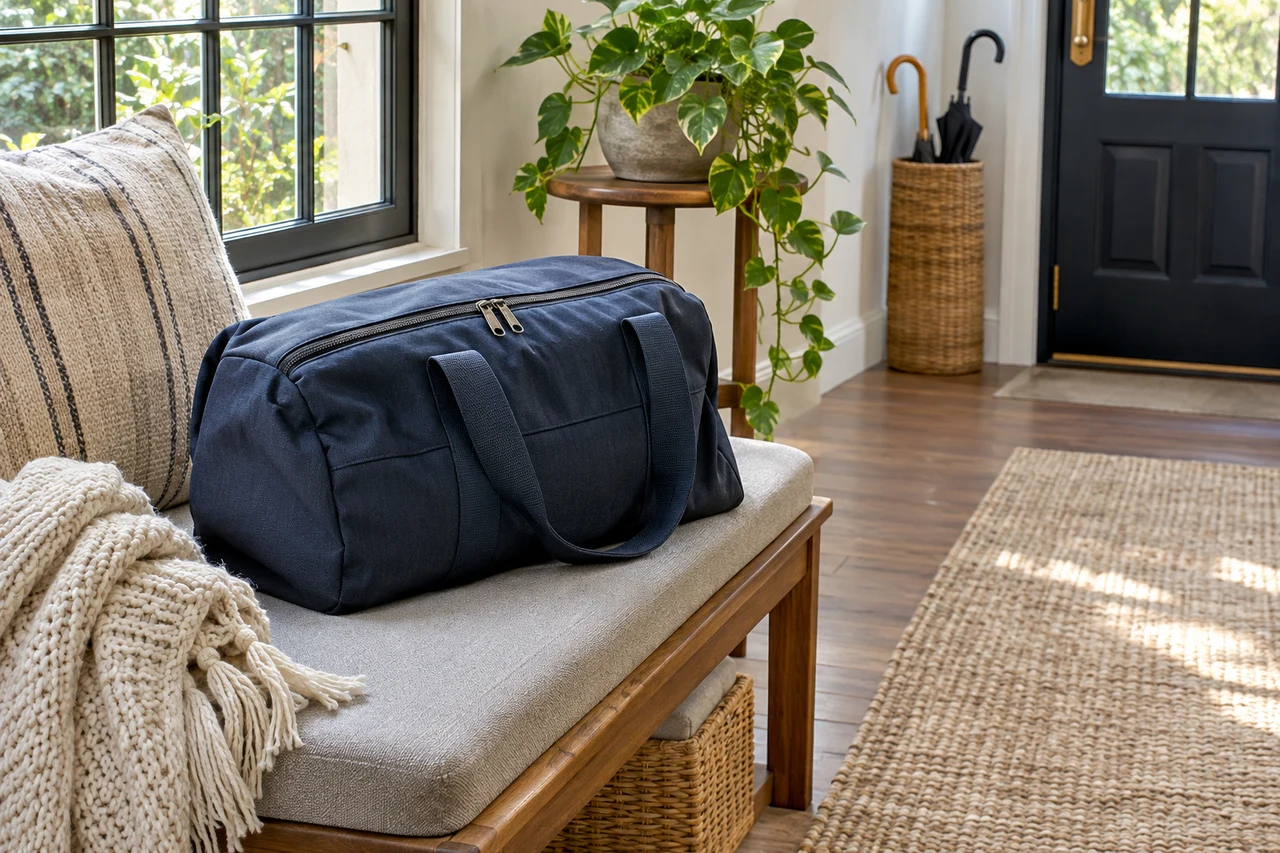
Now imagine a different item: a bag packed so tightly that the zipper sides are strained apart. YKK advises reducing excessive contents and bringing the sides together rather than forcing the closure. This case concerns the load in the bag, not trapped jacket lining. Removing a bulky nonessential item may be the relevant action before any further attempt.
The complete household decision includes what to do with that removed item. Put it in another suitable carrying arrangement or leave it behind if appropriate; do not hang it from the zipper pull. If the bag still cannot be closed through its intended operation, reconsider the packing plan. A larger bag might answer a recurring need, but no new product has been shown necessary by this invented example.
Third case: movement feels rough but the reason is unclear
In a third scenario, the owner sees neither an obvious fabric catch nor excessive packing. Record that uncertainty rather than pretending it proves corrosion, a defective slider or an interchangeable repair part. YKK cautions against forcing rough movement. Ask the actual item maker for the applicable care or service route.
Although generic zipper advice can mention wax, material and finish compatibility have not been established for this item. This workflow therefore supplies no universal lubricant, heat treatment or chemical instruction. An uncertain cause should not become an excuse to apply several remedies in succession and then guess which one worked.
Leave a useful handoff instead of a repair claim
A concise original service note could say: “Jacket lining is caught at the lower slider; forward pulling stopped; gentle release did not resolve it; please inspect before further work.” For the full bag, the note would describe reduced contents and any remaining resistance. Neither message has been sent and no provider’s answer is invented.
Before buying a replacement garment or part, establish the actual diagnosis and proposed work. Keep a quoted repair, a part recommendation and permission to proceed separate. This sequence ends with either normal intended operation actually restored or a specific unresolved question. Only an observation made on the real item can establish the former.
Sources & further reading
Published sources for the details and examples discussed in this story.