A Friday train journey, a Saturday lunch, and a long Sunday walk ask different things of the same small bag. The temptation is to pack an outfit for every possible version of the weekend. A more useful starting point is the itinerary you actually have. Choose clothes that can change jobs with one layer or accessory, then spend only on the gap that remains. A small wardrobe feels polished when the pieces work together, rather than when every item is new.
Write the weekend before choosing the clothes
List the confirmed activities and their practical requirements: comfortable walking, a restaurant dress code, changeable weather, or a visit where shoes come off at the door. Separate these from imagined invitations. If the plan is casual apart from one dinner, a dressier top and the same trousers may solve the problem better than a second complete outfit. Set aside clothes you already own before opening any shopping tabs.
Give each main piece two jobs
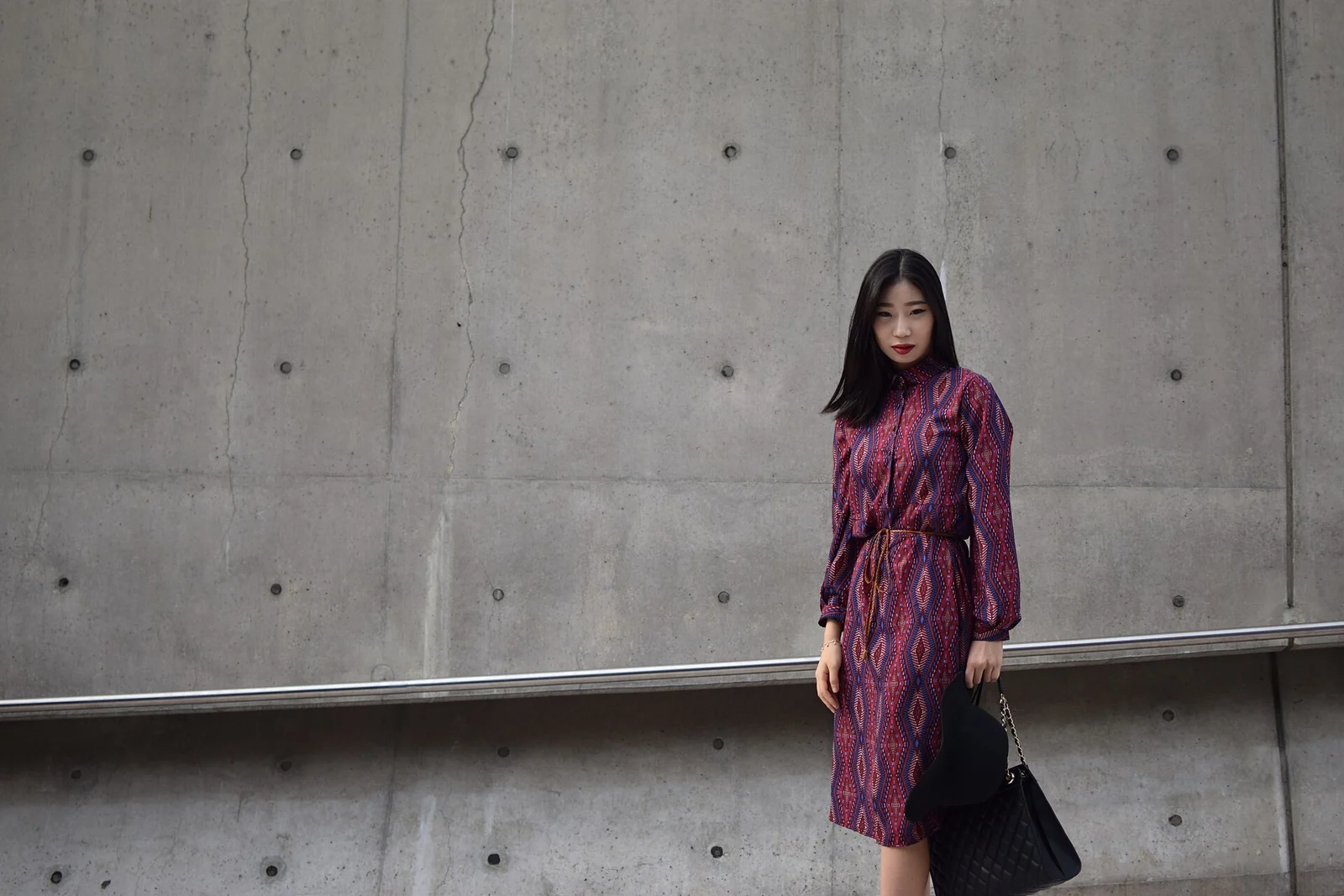
Lay out one bottom and two tops, then see whether an extra layer changes their mood enough for the next activity. A cardigan might work on the journey and over a dress at dinner. This is an outfit exercise, not a rule about how many garments everyone needs. Take a quick photo of each combination on the floor. If a purchase only makes sense with two other things you do not own, it is a costly addition to a short trip.
Read the care label before the price tag
The FTC explains that covered clothing carries instructions for regular care. Use those instructions as a practical buying filter: will the item need a cleaning method you can realistically arrange? Check the label on the exact garment, including any warnings, rather than assuming that every fabric blend behaves alike. For this weekend, consider whether you can wear the item again after airing, and whether a spill would make it unusable until you reach home.
Choose shoes for the longest part of the day
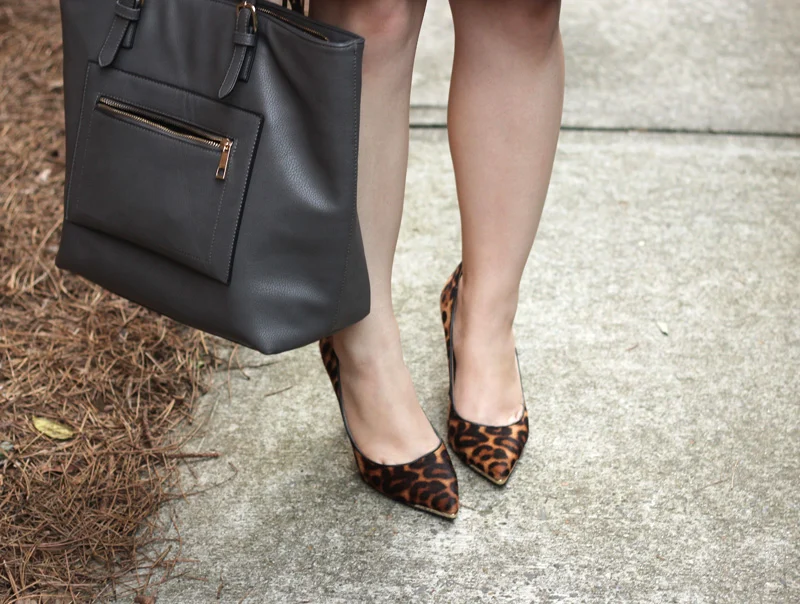
A pair that looks right at a restaurant may be wrong for the hours spent getting there. Start with the longest walking day and bring familiar shoes that suit that route. If you want a second pair, ask what specific problem it solves. A change in silhouette is pleasant, but not always worth the bag space. When buying, try footwear with the socks you plan to wear and review the retailer’s return conditions before taking it outside.
Shop a gap, with a spending ceiling
Name the missing item in a sentence: a layer that fits over both tops, for example, rather than something vaguely more elevated. Set a maximum including delivery and any alterations. Compare the garment measurements with a similar piece you already like; size labels alone do not tell you the shape. Save the item for a day if the trip is not urgent. A simple pause often reveals that an existing piece already does the job.
Do a final pack on an ordinary evening
Pack toiletries and chargers before filling the remaining space with clothing. Put each planned combination beside the bag and remove any piece that has no clear occasion. Keep a small reserve for a weather change, especially when the forecast is uncertain, but give it a real purpose. Photograph the final outfits for an easy morning reference. The goal is a comfortable weekend with fewer decisions, not an impressive packing list or a perfect photograph.
Sources & further reading
Published sources for the details and examples discussed in this story.