Sunscreen shopping often begins with texture: a fluid, a cream, a tinted option, or a stick that looks convenient in a small bag. Texture matters to everyday use, but the label provides information that a product photograph cannot. Before comparing finishes, check the protection claims and directions on the exact item. This guide concerns general US sunscreen labeling and purchase decisions; individual skin concerns or medical circumstances may need advice from a qualified health professional.
Read the protection information first
The FDA explains that broad-spectrum sunscreen protects against UVA and UVB radiation and recommends a broad-spectrum product with SPF 15 or higher as part of a sun-protection approach. Other professional guidance, including the AAD, recommends SPF 30 or higher. These are not reasons to shop by SPF alone. Read the full directions and warnings, and choose a product you can use as directed. A high number does not remove the need for other sensible protection measures.
Understand water resistance accurately
Look for the stated water-resistance duration where relevant. The FDA says labels may indicate 40 or 80 minutes; sunscreen is not waterproof, and application instructions still apply. Plan for the activity you are doing rather than assuming one morning application covers every change in conditions. If a label is missing or the listing gives only a front image, find the complete packaging information through the manufacturer or retailer before buying. Do not infer performance from a sporty product name.
Choose a format you can apply properly
Consider where the product will be used and how you will follow its directions. A compact format may be convenient for carrying, but convenience is not proof that an arbitrary quick pass supplies the labeled protection. Read format-specific warnings, including those for sprays. If you want makeup and sunscreen in the same routine, do not assume a cosmetic's label automatically answers every sunscreen question. Check the actual Drug Facts information and ask a qualified professional when unsure about suitability.
Check quantity and storage
Compare container sizes and the realistic cost of using the product according to its instructions. A tiny bottle can be useful for a particular outing but may not suit frequent use. Read expiry and storage guidance and avoid an uncertain reseller simply because the price is low. Keep the product identifiable if you carry it in another bag. An unlabeled container makes it harder to check directions, product details, and any recall information later.
Build the rest of the day around it
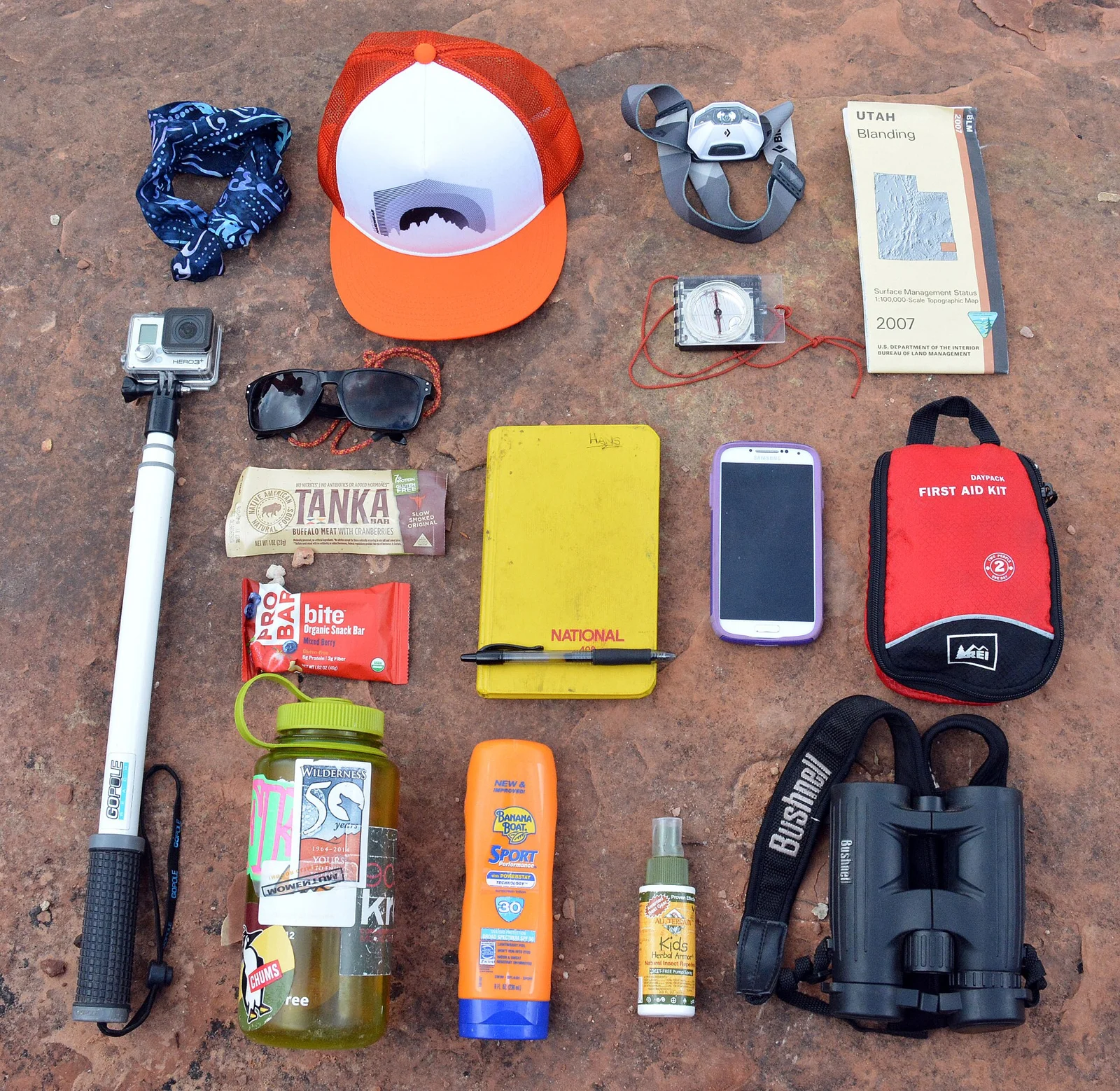
The FDA recommends protective clothing, shade, and limiting sun exposure alongside sunscreen. Think about a suitable hat, clothing, and access to shade before buying more bottles. Arrange a practical place for the product so it is available when needed, and follow reapplication directions. If an existing bottle is suitable and within its usable period, finishing it may be the sensible purchase decision. The aim is a workable sun-protection routine rather than a collection of different textures waiting on a shelf.
Sources & further reading
Published sources for the details and examples discussed in this story.