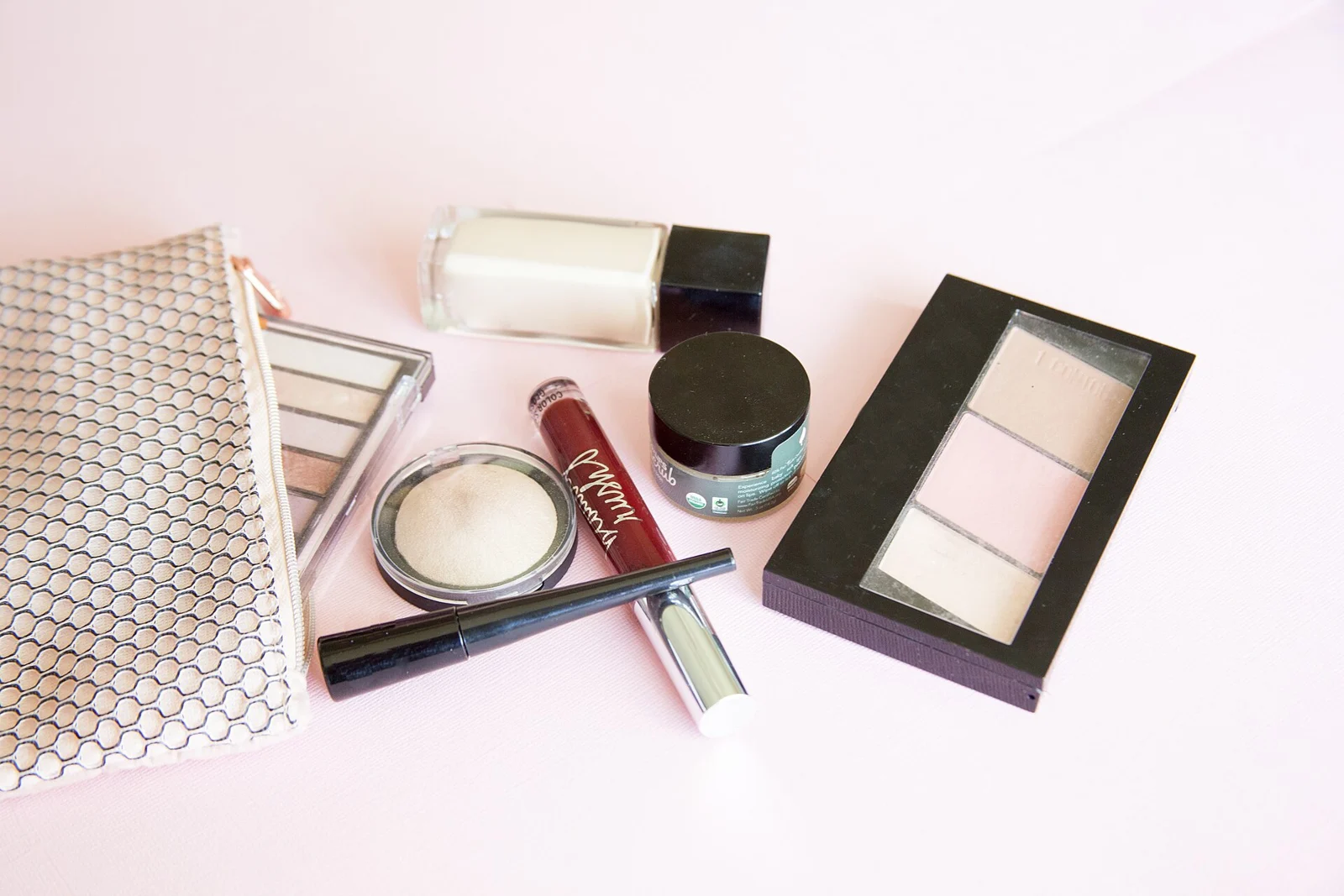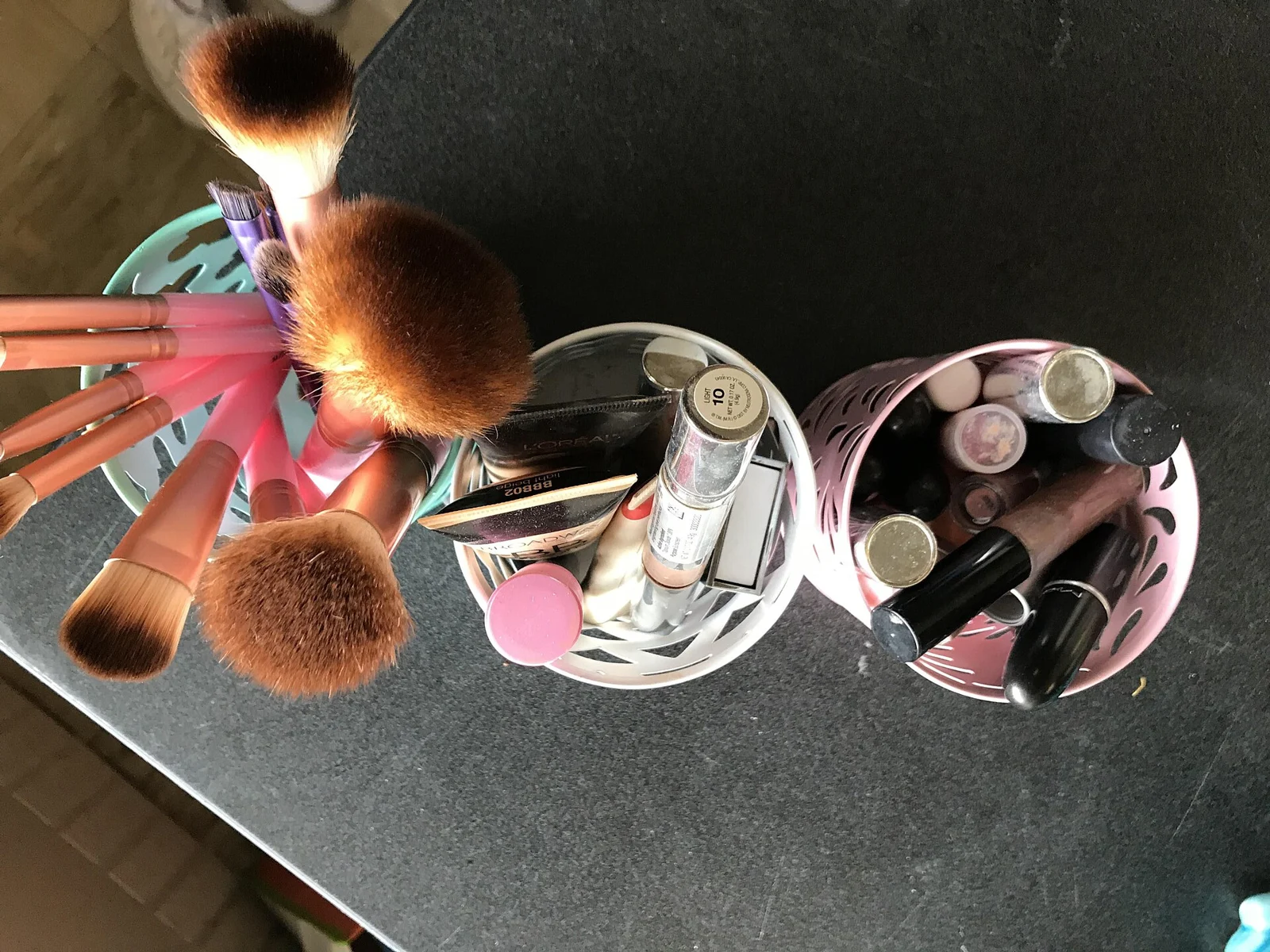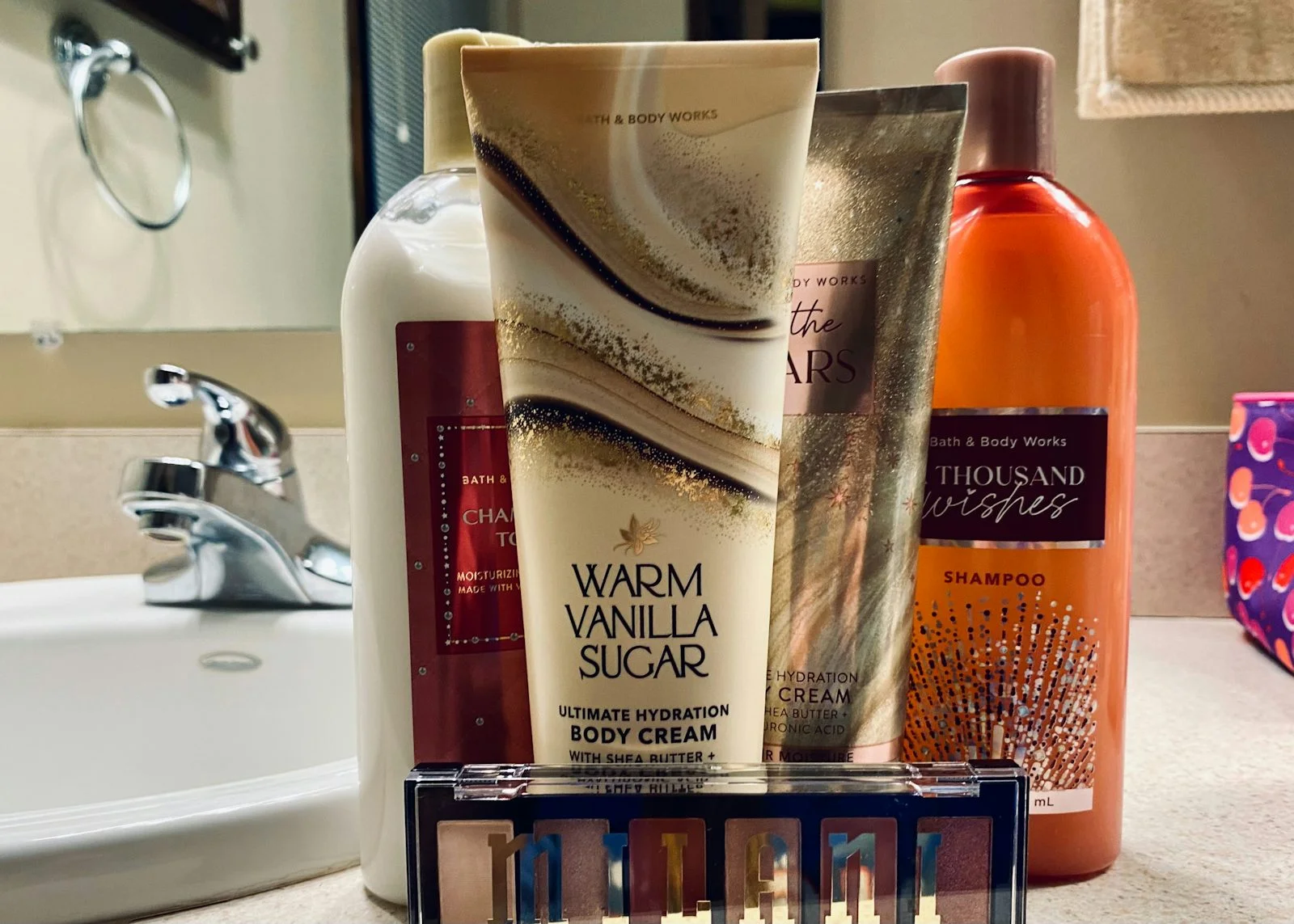
A bathroom shelf can become crowded without becoming more useful. A travel miniature arrives, a new serum promises an improvement, and an almost-empty bottle stays behind just in case. Before shopping for a more elaborate routine, make the current one visible. This guide is about organizing everyday purchases and following product directions. It does not diagnose a skin concern or promise that a particular ingredient will work for every person.
Start with the products you actually use
Put the daily items on a clean surface and separate them from occasional extras. Check packaging directions and discard anything that should no longer be used according to its label. Do not decant an unidentified product into a pretty container and lose its instructions. Make a short list of what each item does. Several products that occupy the same role may be a reason to finish one before buying another, rather than a reason to expand the routine.
Keep the foundation easy to repeat
The American Academy of Dermatology describes a budget-friendly foundation of cleansing, moisturizing, and sun protection. Its advice includes a gentle cleanser and a broad-spectrum sunscreen with SPF 30 or higher; follow sunscreen directions and reapply as advised, including after swimming or sweating. Skin type and individual tolerance matter. The useful purchase is the one you can use as directed, rather than the most complicated collection or the highest price on the shelf.
Make the bathroom work for a busy morning
Place the daily products where you can see their labels and use them safely according to the storage instructions. Keep a small tray for the current routine and move unopened replacements elsewhere. This creates a physical limit that is easier to follow than a vague promise to buy less. If several people share the room, give each person a defined space so that products and instructions do not become mixed together.
Compare the whole purchase
Write down the container size, price, delivery cost, and return policy. A bigger bottle can have a lower unit price but still be poor value if you do not finish it or cannot store it properly. An expensive bundle is not a saving when half its contents are unwanted. Check whether a promotion requires a subscription, and read the renewal and cancellation terms before completing checkout. Keep your receipt until you know the product meets your practical needs.
Add slowly and avoid stacking promises
The AAD warns that using too many products can irritate skin. Resist adding several unfamiliar things together because they were sold as a collection. A smaller change is easier to observe and simpler to stop if the product does not suit you. Persistent irritation, a changing skin problem, or uncertainty about an existing treatment deserves advice from a qualified clinician. A shopping guide cannot replace that conversation or tell you how to combine prescribed products.
Create a replacement list, not a wish list
Keep a note with the exact product names you use, their sizes, and what is almost finished. Reorder according to need rather than a promotional deadline. For a trip, take suitable labeled containers or original travel sizes and check transport rules separately. A spare pouch is convenient only if you remember what is inside it. Review the shelf occasionally and let your own routine set the shopping list, instead of allowing a retailer’s launch calendar to do it.
Sources & further reading
Published sources for the details and examples discussed in this story.