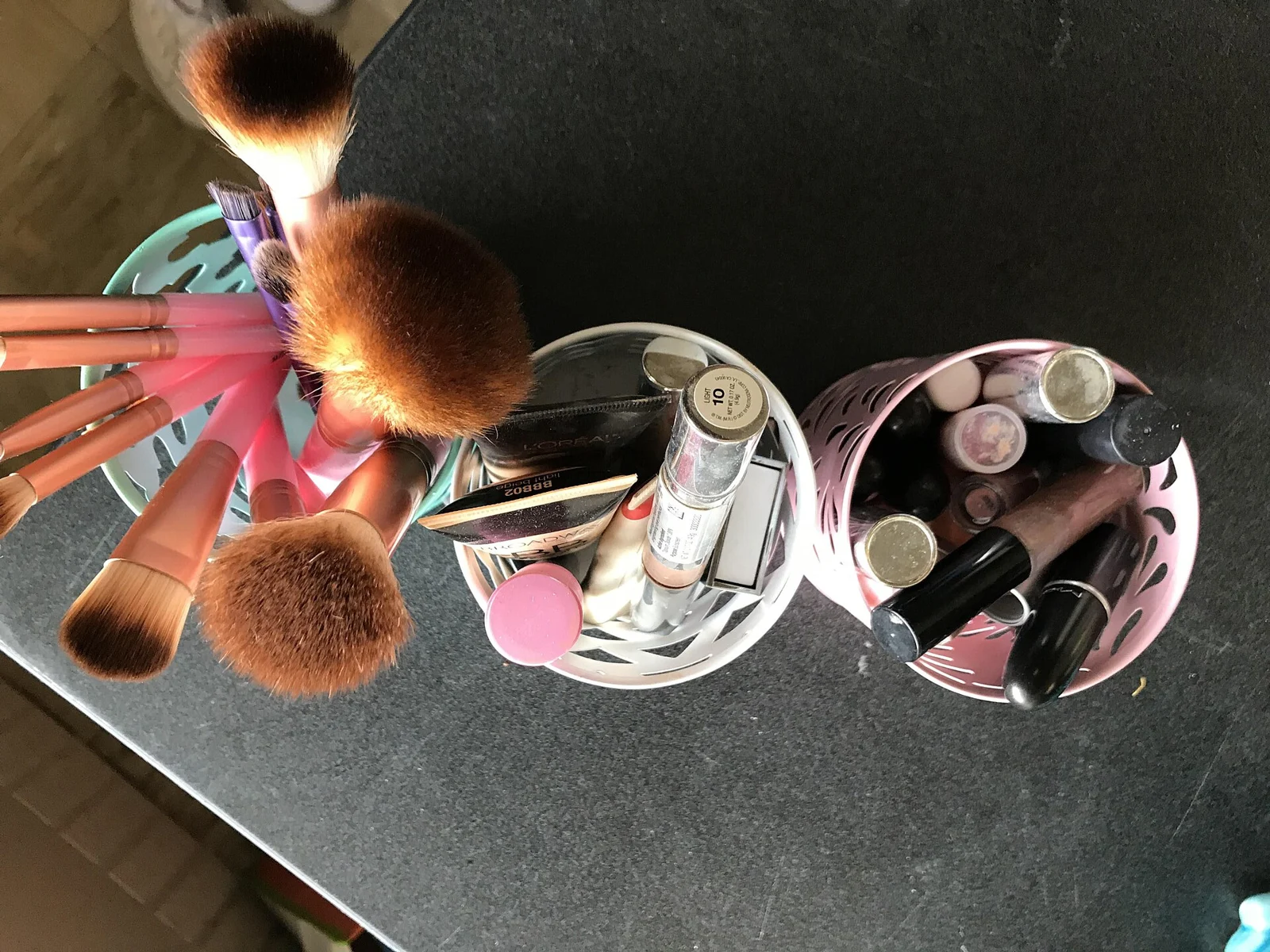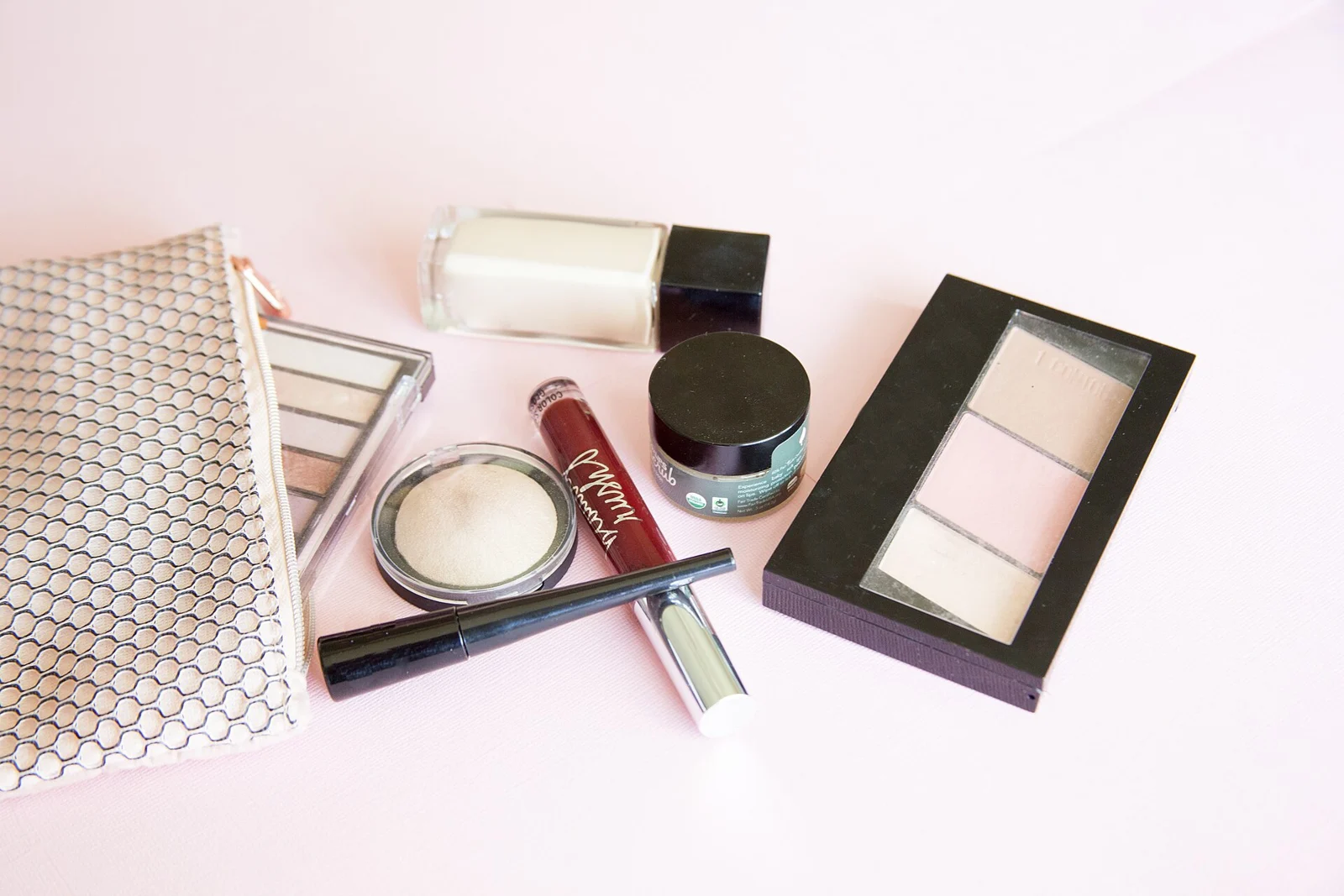
A makeup bag can contain products from several versions of your routine: an everyday lip color, a special-event palette, and a mascara whose purchase date is hard to remember. Refreshing it does not have to mean replacing everything with a coordinated set. Start by checking what is usable, what you genuinely wear, and what needs a clearer storage system. The purpose is a smaller, easier collection, rather than a new pile of products with equally uncertain histories.
Review condition before choosing colors
Read the manufacturer's directions and any date or period-after-opening information on the packaging. The FDA explains that cosmetic shelf life varies with the product, handling, and storage; the absence of a printed expiry date does not mean unlimited use. If you are uncertain about a specific item, ask the manufacturer rather than relying on a universal chart copied across social media. A product that has changed unexpectedly deserves attention, even if its packaging still looks presentable.
Separate daily use from occasional use
Lay out the items you used during a normal recent week. Put occasional products in a different group without treating them as mistakes. A special lipstick can have a role even if it is not used daily. The useful question is whether you can find it, identify it, and follow its instructions when you want it. Keep the small daily group together so that getting ready does not involve searching through several palettes you rarely open.
Make hygiene part of the arrangement
FDA guidance advises against sharing makeup and recommends keeping containers and applicators clean. Do not add water or saliva to revive dried mascara. For eye-area symptoms or a suspected infection, stop using the relevant cosmetics and seek professional advice rather than trying to disguise the problem. Store products according to their directions, away from conditions that the manufacturer warns against. A pretty transparent pouch is not a reason to leave the contents in a hot car or other unsuitable place.
Replace a function, not an entire look
Write down exactly what is missing before browsing: an everyday product in a finish you already enjoy, for example. Compare the quantity, application method, and return conditions. A large palette is poor value if only one color fits your routine. A bundle can be convenient, but it should not be the default answer to one empty tube. Check the seller's identity and the actual product details, especially when a low price is paired with unclear provenance or an unfamiliar marketplace listing.
Leave a record for the next review
Keep a simple note of purchase or opening dates where that helps you follow product guidance. You do not need a paid tracking app; a note on the packaging or in your phone can be enough. Clean the bag itself according to its care instructions and give small items a place where labels remain visible. After a few weeks, notice whether the new arrangement is easier to use. Let that experience guide future purchases instead of buying a larger bag to preserve an unnecessarily complicated collection.
Sources & further reading
Published sources for the details and examples discussed in this story.