A scarf is a small purchase that can change the balance of a familiar coat, but its scale and handling matter as much as its pattern. A bulky knit, a narrow woven scarf, and a light square behave differently at the collar. Instead of choosing from a flat product photograph alone, begin with the coat and bag you normally wear. This makes it easier to buy an accessory that works beyond its first carefully arranged outfit.
Start with the neckline
Put on the coat and notice the available space around its collar. A high fastening may leave little room for a thick scarf inside, while a broad open neckline can accommodate more fabric. Try an existing scarf at different lengths before shopping. You are testing the proportion you enjoy, not following a rule about which body shape is allowed to wear a particular size. A quick mirror photograph can make the relationship between scarf, coat, and shoulder bag easier to see.
Compare measurements, not labels
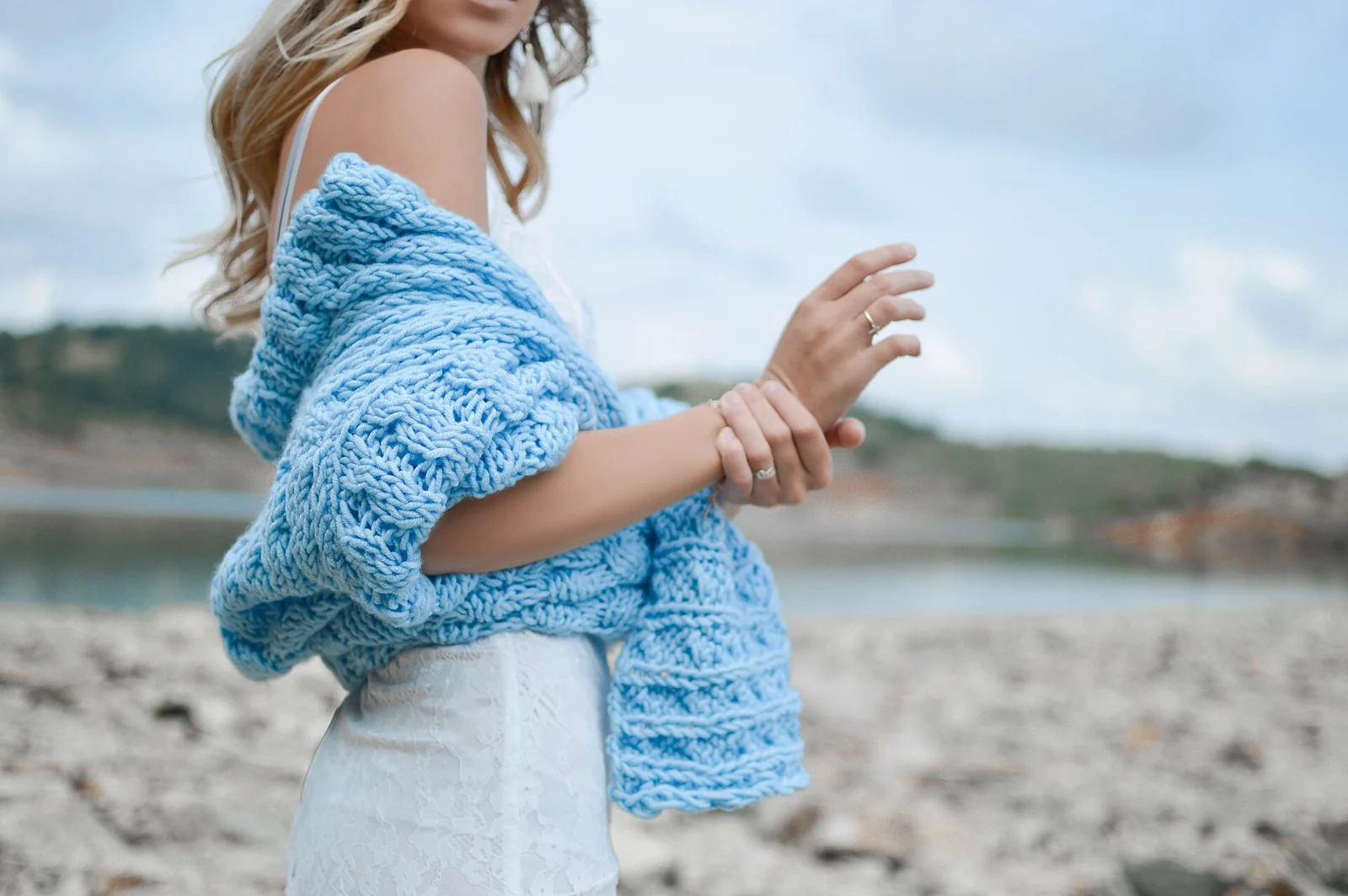
Words such as oversized or blanket describe a mood more readily than a precise fit. Read the actual length and width, and compare them with a scarf you can handle comfortably. Consider whether fringes are included in the stated length. If the retailer provides only one styled photograph, ask for the dimensions before ordering. A long scarf may offer several arrangements but also create extra ends to manage when moving between a train seat, desk, and outdoor walk.
Make the fabric choice practical
Read the fiber information and care label together. The FTC explains that covered textile products carry regular-care guidance; use the exact item's instructions rather than assumptions about a fiber's name. Think about skin contact, the finish you prefer, and how often you expect to clean the scarf. If it feels uncomfortable during an indoor try-on, a beautiful pattern is unlikely to make that sensation irrelevant. An online description cannot fully predict how a material will feel against your neck.
Use color with the existing outfit
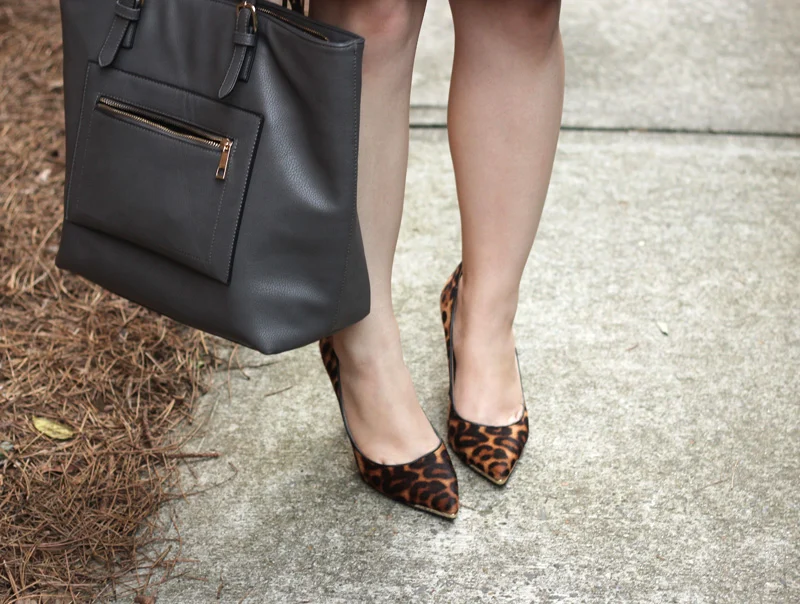
Bring a photograph of the coat when shopping, or compare the scarf with it at home while retaining tags. Decide whether you want the scarf to connect colors already in the outfit or introduce one deliberate contrast. Check it beside your usual bag and shoes so that the purchase does not quietly require more accessories. A pattern can be useful precisely because it tolerates several combinations; a plain scarf can be equally versatile when you prefer a simpler outline.
Keep the arrangement easy to repeat
Choose one or two ways of wearing the scarf that you can recreate without a video. Check that the ends do not interfere with the tasks or transport you use, and follow relevant safety instructions around equipment. Store it somewhere visible enough to be worn rather than tightly packed with occasional accessories. If a trial reveals constant adjusting or too much bulk under the coat, reconsider the dimensions. A useful scarf should make an everyday outfit easier, not add a small styling problem to every departure.
Sources & further reading
Published sources for the details and examples discussed in this story.