An old outfit photograph can preserve a belt long after the belt has disappeared from the wardrobe. When the garment is offered for resale, the photograph and the description should represent the same contents. eBay's US selling-practices policy requires condition details and actual-item photographs for used items. The two original examples below apply that principle to one specific problem: a detachable belt that is present in one proposed listing and absent in the other. Neither is an actual item offered by this site.
Version A: the belt is part of this offer
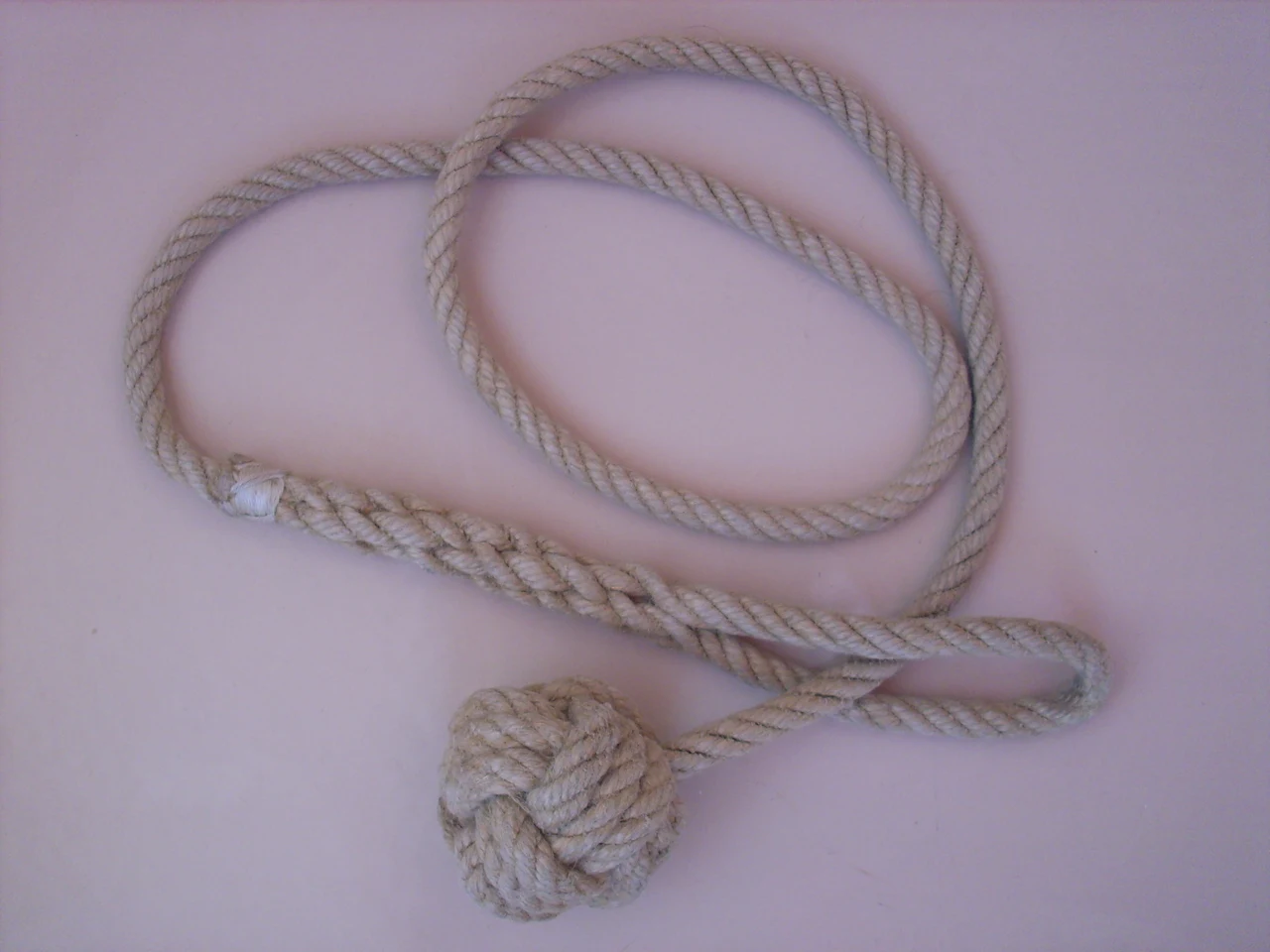
Imagine a used green shirt dress with its removable matching belt beside it. The seller has checked that the belt is actually present and intends to send it with the dress. An original contents description can read: ‘Used green shirt dress with the removable matching belt shown in the current photographs. Included: one dress and that belt. The shoes, hanger and background furniture are not included.’ This identifies the offered pieces without claiming a brand, fiber or authenticity that the example has not established.
The current photographs would show the complete dress, the separate belt and how it relates to the dress. Any wear or damage still needs its own accurate description and view; including the belt does not settle condition. Keep the pieces together while preparing the listing so the belt does not quietly become available for another outfit after it has been promised here.
Version B: the same kind of dress has no belt
For the second fictional offer, the seller has the dress but cannot find the detachable belt. A complete alternative can read: ‘Used green shirt dress. The detachable matching belt is missing and is not included. The current photographs show the dress as offered without it. Included: one dress only. No replacement belt is supplied.’ This is a different offer, not the first description with its belt photograph left unchanged.
Do not photograph an unrelated belt on the dress simply to restore the old outfit's silhouette. Even a small exclusion buried later in the description can leave the overall presentation contradictory. A paper note in a private inventory can say ‘belt absent’; the actual listing needs current photographs and wording that describe the garment that can be sent.
Resolve the old photograph before publishing
An old image might still be useful privately to identify what is missing. That does not make it an accurate image of the current offer. For a used eBay item, follow the current actual-item photo requirement rather than substituting a stock image. Its images-and-text policy also calls for accurate representation and limits copying third-party material. Public availability of a brand's campaign photograph is not permission to reuse it.
Make the final comparison concrete: contents description, current complete-item view and the pieces set aside for dispatch. If Version B still contains a photograph showing a belt, the mismatch remains unresolved. If Version A's belt has subsequently been lost, stop and update the offer through the marketplace's appropriate process rather than hoping the buyer will not notice.
Keep uncertainty separate from absence
‘I have not checked the box where the belt might be’ is not the same as ‘belt included.’ Finish that check before making a promise. If the belt cannot be identified confidently, do not use a similar color as proof that a loose accessory belongs to the garment.
The useful result is a clear choice between two complete descriptions of actual contents. It does not predict a sale, establish a fair price or erase other condition questions. An accurate smaller offer is easier to understand than a more appealing photograph whose accessories cannot be supplied.
Sources & further reading
Published sources for the details and examples discussed in this story.