An unfamiliar crease in a pleated garment creates an understandable temptation: borrow an iron, copy the pleat beside it and make everything look orderly again. That is a visual response to a care question. Before acting, establish whether the maker permits ironing or steaming for the actual garment. A permanent-looking fold is not, by itself, an instruction.
A real guide with an explicit boundary
The UK Issey Miyake product-care page includes guidance for PLEATS PLEASE ISSEY MIYAKE and HOMME PLISSÉ ISSEY MIYAKE. It expressly tells readers not to tumble dry, iron or steam those products within that guidance. It also directs attention to the garment's own care label. The named collection and the prohibition belong together; this is not a rule about every pleated skirt sold by every maker.
The brand explains a particular production approach for PLEATS PLEASE: the garment is cut and sewn before being pleated. That background helps explain why a generic image of an ironing board is not adequate care evidence. It does not mean that a shopper can identify the same construction from the depth or sharpness of a fold in an unrelated product photograph.
Separate appearance from the permitted response
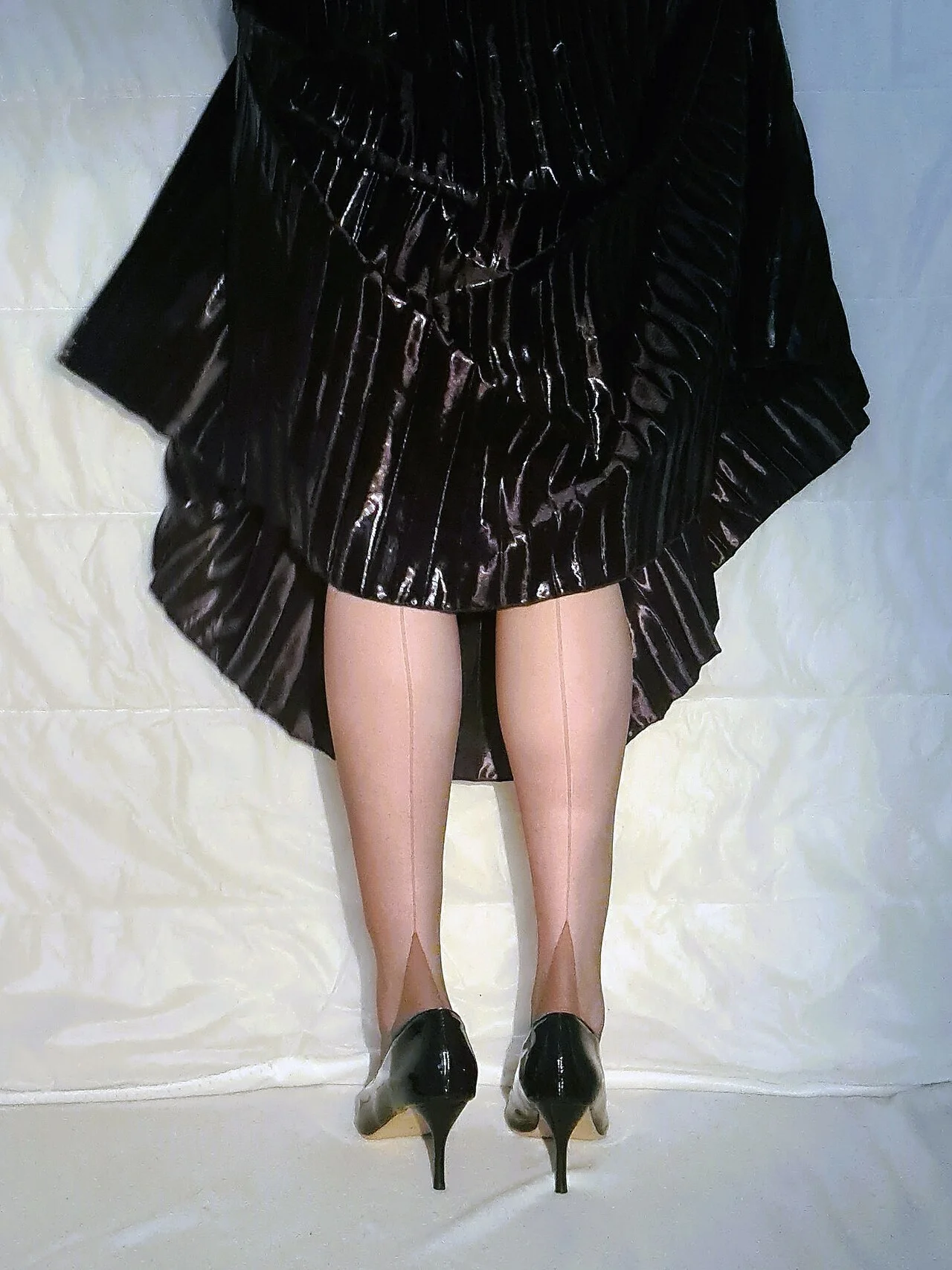
Consider an invented situation: a skirt comes out of storage with one area looking flatter than the rest. The observation is 'a section looks different.' The conclusion is not yet 'it needs heat.' Keep that distinction in the message you send to the maker, along with the style information and a photograph of the care label.
The label may refer to a different fabric, trim or collection from the general guide you found. If the two appear inconsistent, stop at the inconsistency and ask for clarification. Do not borrow a temperature from another skirt because both have narrow pleats, or interpret a retailer's decorative description as a substitute for the maker's care directions.
Ask about the changed area, not a promised restoration
A focused enquiry would say: 'This is the collection and style shown on my label. One area has flattened after storage. What response, if any, do you recommend for this exact item?' That gives the maker a real problem to address without asking it to endorse a method already chosen. It also leaves room for an answer that the appearance cannot be restored.
Before purchasing a pleated garment, the same information is useful as a care commitment. Can you follow the stated restrictions in your household? If your plan depends on routine steaming, a guide that prohibits steam is a material mismatch. Choosing another garment can be more sensible than buying first and hoping the restriction is merely cautious language. No pressing, washing or restoration experiment is needed to recognise that conflict.
Sources & further reading
Published sources for the details and examples discussed in this story.