A bed on an overnight train does not automatically mean a compartment reserved only for you. The distinction matters before a booking becomes the basis of an imagined private night. ÖBB Nightjet’s published sleeping-car information makes it concrete: its Single and Double descriptions identify different compartment occupancies, and it explicitly describes sharing when a single berth is booked in a Double. No train was booked or slept on for this comparison.
Read the named accommodation before the photograph
On Nightjet’s sleeping-car page, Single means a compartment for one passenger. Double means a compartment for two; the operator says individual berths can also be booked in that category, in which case the compartment is shared with another passenger. Those are the two named options used here, not a comparison of every night train or a claim of availability on a particular departure.
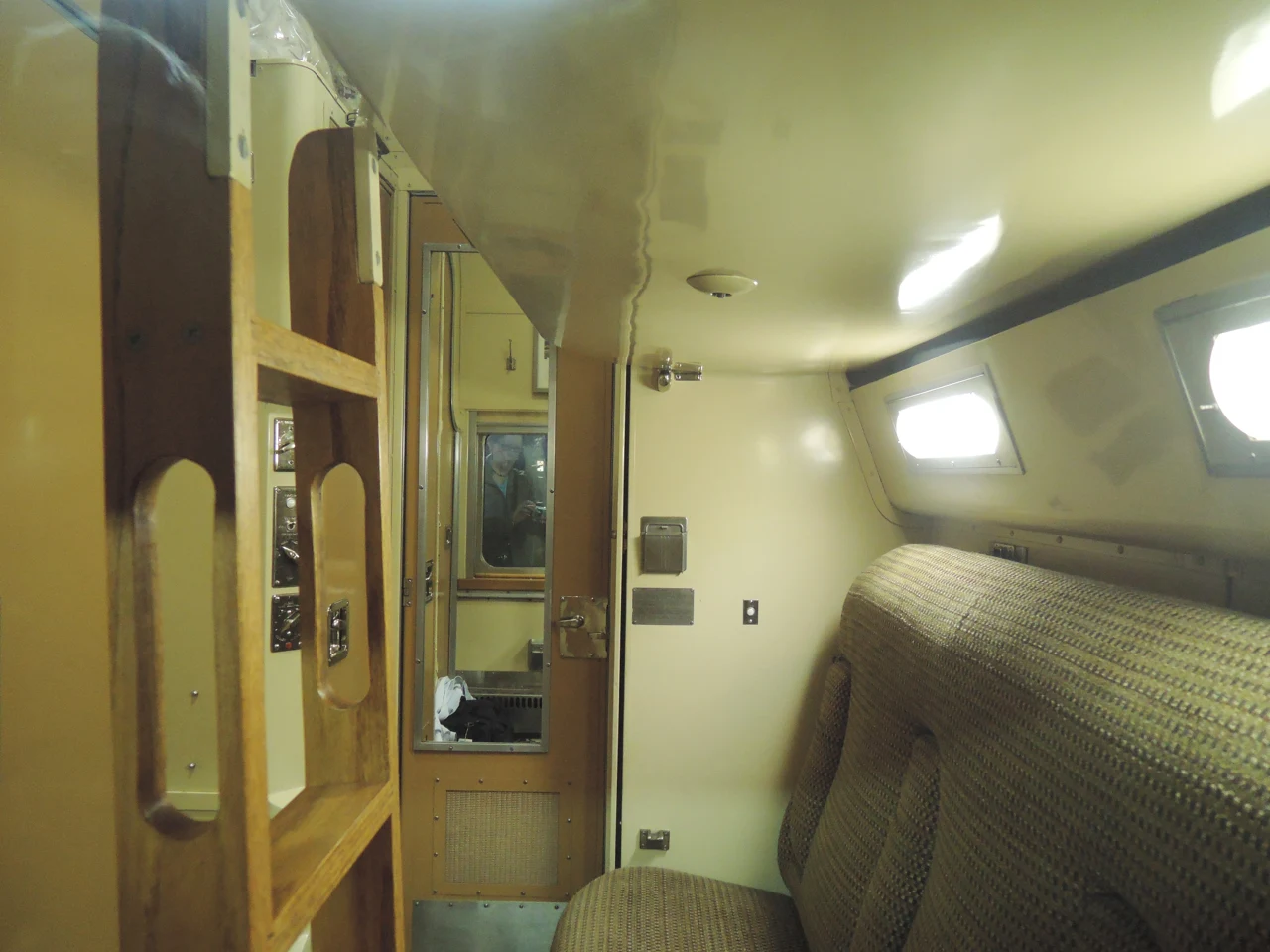
The operator separately identifies newer carriage accommodation with the designation comfort and warns that equipment and service on other companies’ trains can differ. Do not silently attach the photograph or facilities of a newer category to an unspecified Single or Double offer. This feature compares the stated booking scope, not mattress comfort, bathroom quality or sleep performance.
For a solo traveler, the second place changes the question
Imagine Ellis traveling alone. A single berth in a Double can meet the goal of having a sleeping place while leaving another passenger in the same compartment. If Ellis’s real requirement is exclusive use of the compartment, that is not the same goal. A picture of one neatly prepared bed would not settle who may occupy the other place.
Ellis can compare the actual Single offer with the single-berth Double offer for the intended service, if both are available. The useful description is not simply private bed versus cheaper bed. It is one passenger in the compartment versus an individual place within a compartment intended for two. No fare difference is asserted here, and neither category is a guarantee of a quiet or restful journey.
Suppose Ellis would enjoy sharing but wants to know exactly what is being bought. The same distinction remains useful. Choosing a shared arrangement can be deliberate; it should not be the accidental result of reading the word sleeper as a promise of sole occupancy.
For two people, keep the party and compartment together
Now imagine Rowan and Morgan traveling together and wanting a compartment occupied only by their party. Nightjet’s own-compartment page lists Single, Double and Triple according to one, two or three people traveling together. Its Double option is therefore a specific starting point for investigating their intended two-person booking.
That does not mean any two unrelated berth purchases automatically produce the same arrangement. The party needs the actual offer and confirmation to identify the compartment scope they intend to purchase. This article has made no booking and cannot confirm that a particular pair of searches allocates the same space. Where the process is unclear, ask the operator before treating an assumption as part of the reservation.
Rowan and Morgan also have a different reason from Ellis for avoiding other occupants: they want time together, rather than a compartment to themselves individually. The same word private can conceal those different intentions. State the party size and the exclusivity being sought instead of relying on that adjective alone.
Keep one kind of privacy from promising every other kind
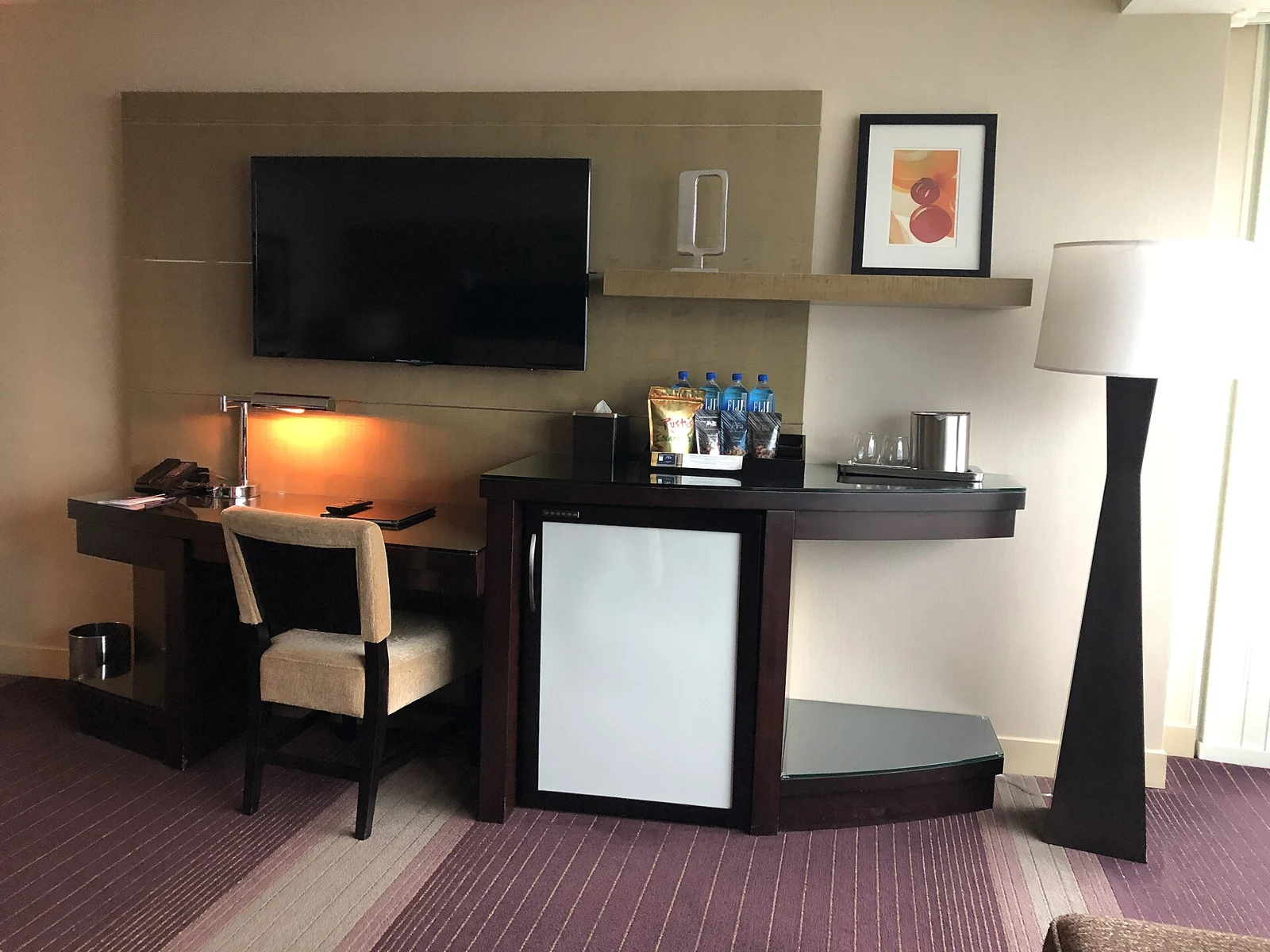
Sole use of a compartment is a statement about who shares that booked space. It does not, by itself, answer every question about the exact facilities, how the door arrangement operates or the experience of being on a moving train. Read the actual category and service information for the features that matter to you rather than supplying them from a hotel analogy.
Likewise, an advertised bed or a whole-compartment option does not establish that you will sleep well. Personal comfort and the journey’s actual conditions remain unresolved here. No sound test, security assessment or on-board experience is offered, and the operator’s evocative travel language is not repeated as an outcome we verified.
Pay for the scope you actually want
Before comparing a live offer, finish the sentence: “I want an individual sleeping place even if the compartment is shared,” or “I want this compartment reserved for this party.” Those intentions lead to different details to resolve. A category name, a berth count and the party arrangement should agree with the actual booking rather than remain separate impressions.
The successful decision may be a Single, a shared Double berth, a Double for two companions, or another travel plan. This comparison chooses no route or fare for you. It simply prevents the purchase of a sleeping place from silently standing in for a different purchase: the exclusive use of a compartment.
Sources & further reading
Published sources for the details and examples discussed in this story.