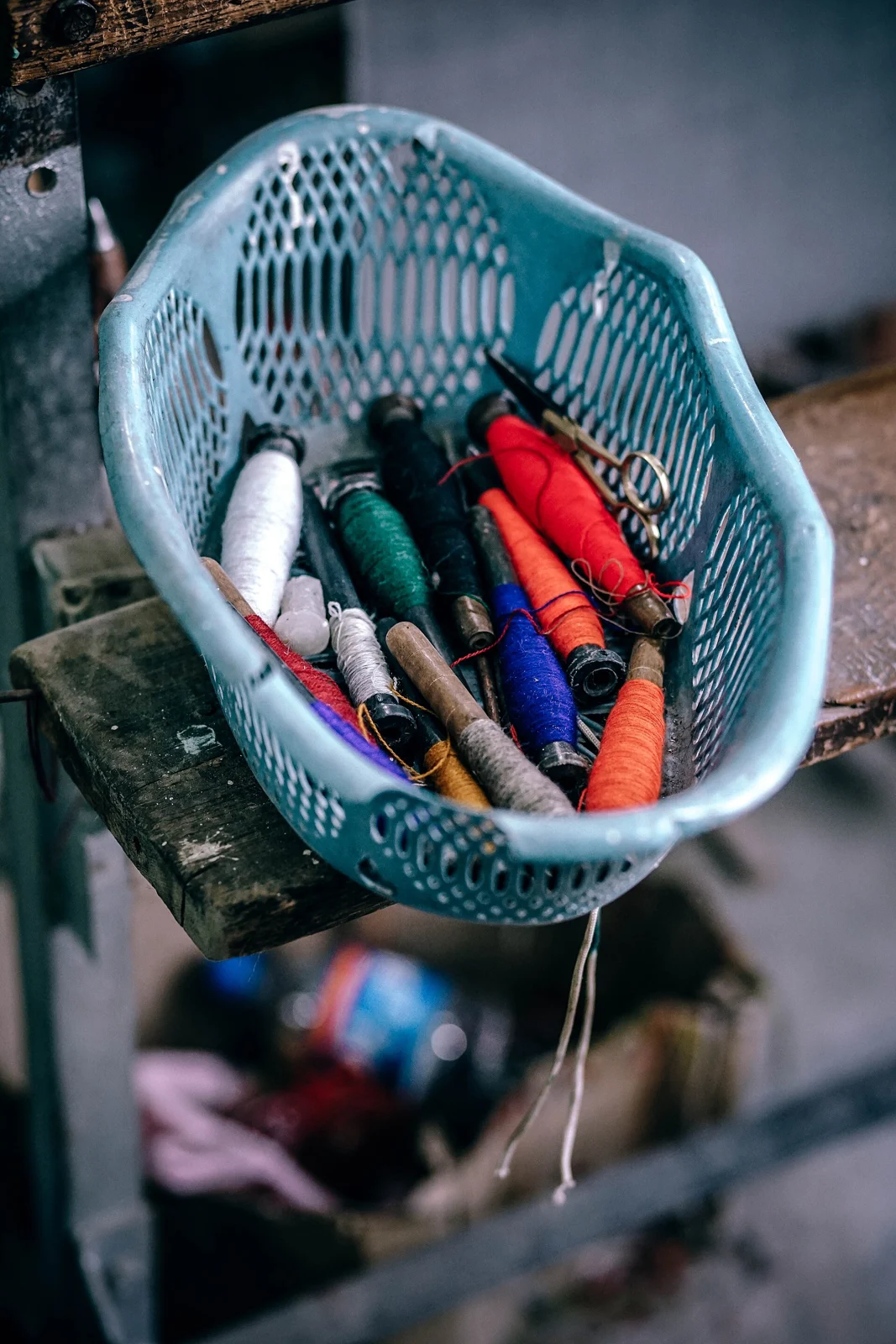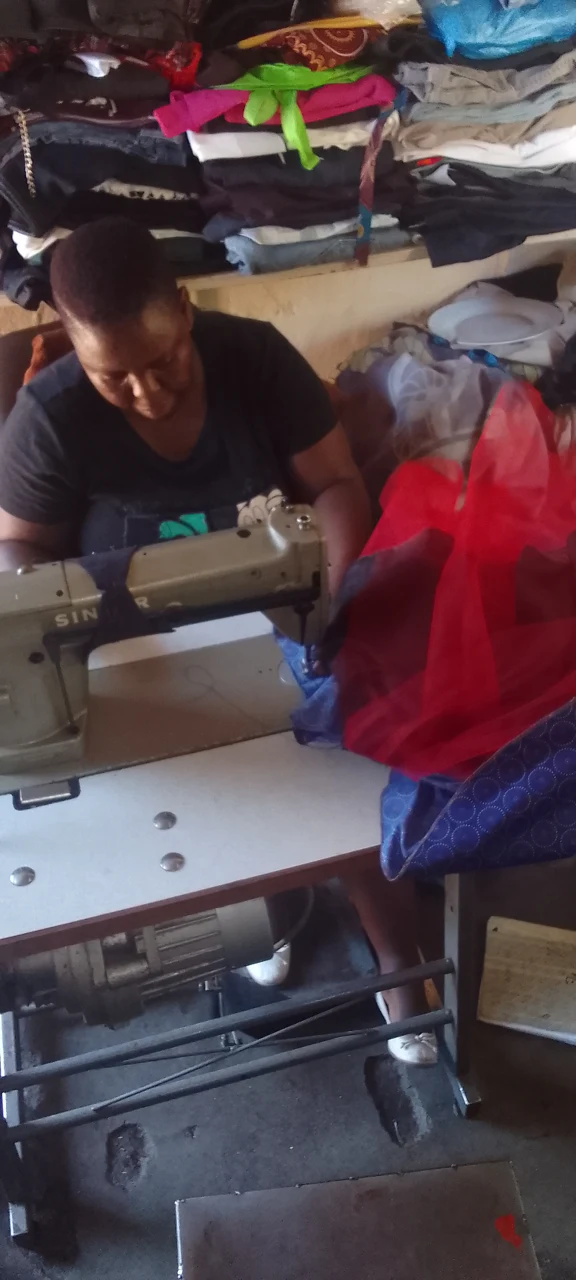
At an alteration collection, ‘the trousers are ready’ does not explain every detail of the work. A useful conversation starts with the agreed note and the actual garment, then identifies a specific question. The example below is entirely fictional: trousers shortened to an agreed length, with a visible thread end at one inner hem. It is not a report of a real service, a sewing inspection standard or advice about legal remedies.
Bring the agreed work back into the conversation
In the invented note, the agreed work is: ‘Shorten both trouser legs to the length agreed at the fitting; retain the existing type of finish; no other alterations.’ Keep the real service's own wording in an actual collection. A private recollection of an earlier request should not replace the work that was finally agreed.
The note leaves some questions open on purpose. It does not supply a universal acceptable hem height, define an invisible finish for every fabric or promise that the original appearance can always be reproduced. If the real note is unclear, ask the service to explain what it records before treating your interpretation as the agreed instruction.
Compare the item with that note
At the collection, identify the exact trousers and ask to check the agreed work through the service's appropriate fitting or inspection arrangement. Use the intended wearing combination if that is part of the agreed check. This is a conversation about the returned item, not a home experiment to establish a professional standard.
Now suppose a thread end is visible at the inside of the left hem. The observation is ‘a visible thread end here.’ It does not, by itself, establish that the alteration is defective, unsafe or unfinished. Do not pull it to see what happens or cut it before the service has had an opportunity to look at the actual point.
Ask one question that can be answered by looking
An original collection phrase could be: ‘The note says to retain the existing type of finish. I can see this thread end at the inside of the left hem. Can you check this point with me and explain whether anything further needs to be finished?’ Indicate the location on the actual garment rather than describing an anonymous loose thread over the phone.
No provider reply is invented here. The service may need to inspect the point, explain it or discuss additional work. Record what is actually said. If the issue is the length rather than the thread, name that separate question instead of changing the agreed scope while the finishing detail is under discussion.
Leave with an accurate next action
If something remains to be checked, identify who will do it and how the garment or discussion will be continued. Do not turn ‘we will look at it’ into a promise of a particular correction, completion date or fee waiver. Equally, an explanation should be recorded as an explanation rather than an agreement to new work.
A complete private ending for the fictional example can remain: ‘Left inner-hem thread point raised against the service note; explanation and any next action pending.’ Replace that wording only after a real answer. The purpose of the note is to keep the question understandable, not to create a case that proves fault before the garment has been examined.
Sources & further reading
Published sources for the details and examples discussed in this story.