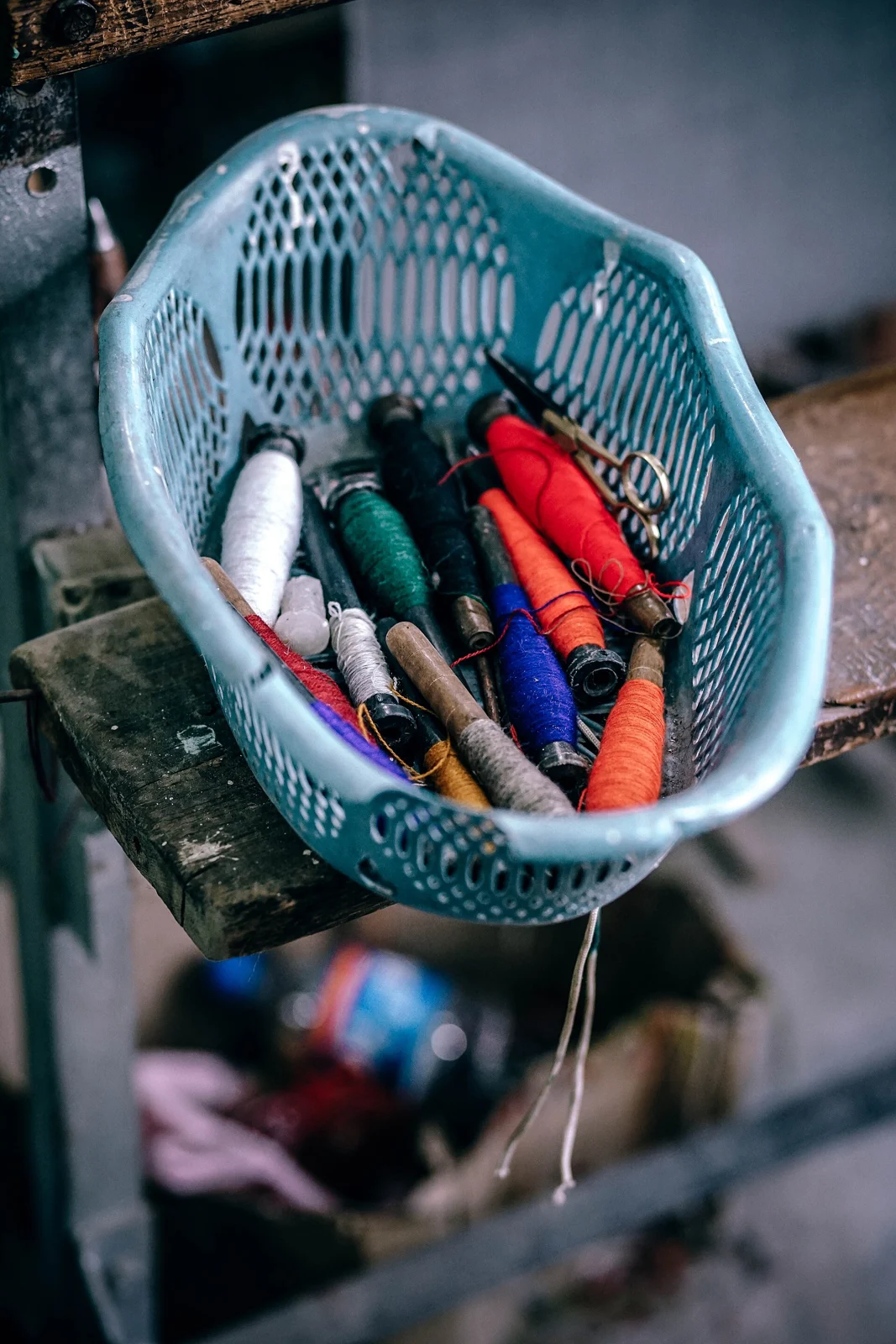
A loose button or worn hem can make an otherwise useful garment disappear to the back of the wardrobe. Replacing it may feel easier because a retailer shows a clear price while the repair remains an undefined task. Before shopping, give a few neglected pieces a proper assessment. A repair budget does not mean every item must be saved; it means comparing a realistic repair with a realistic replacement rather than treating one as free and the other as impossible.
Identify the actual reason it is unworn
Separate a simple visible fault from a fit, comfort, or style problem. Replacing a button will not make an uncomfortable cut more enjoyable, and cleaning will not resolve every structural issue. Try the garment on if it is appropriate and safe to do so, and write a specific description of the problem. This helps you ask for an informed estimate instead of arriving with a vague request to make it better. Keep sentimental value separate from everyday usefulness when considering the decision.
Get an estimate before imagining the outcome
Ask a qualified repair or alterations professional whether the change is feasible, what it may cost, and what limitations remain. Do not assume every garment has enough seam allowance or suitable construction for the change you want. For an inexpensive item, a major alteration may cost more than replacement; for a much-loved piece, that may still be an acceptable personal choice. The point is to decide with clear information rather than assuming all repairs are either cheap or uneconomic.
Include care in the assessment
Read the exact garment's care instructions. FTC guidance explains the role of regular-care labels, which can help you understand the ongoing maintenance commitment. If a stain or odor is the main problem, ask a professional cleaner about the specific item rather than promising yourself that an unverified home method will work. Account for any care needed before or after the repair. Avoid applying a technique found online when it conflicts with the manufacturer's directions or risks making an uncertain problem worse.
Set a small, usable queue
Choose a limited number of items that you would genuinely wear if repaired. Give each a next action: buy the specified replacement part, request an estimate, or take it to the agreed service. Keep pieces that require professional work separate from simple tasks you already know how to perform. A large pile can conceal decisions for months. A short queue with dates is more likely to return useful clothing to circulation than an ambitious promise to mend the entire wardrobe.
Compare the finished role with replacement
After receiving the estimate, ask whether the repaired garment would fill a real need. Compare total cost, time, likely remaining limitations, and the effort of finding a replacement that fits. Do not assume a new item will be perfect either; it also needs care and a fitting opportunity. Record the decision and move the garment out of the undecided pile. A repair budget works when it creates a wearable result or a clear decision to let something go, rather than preserving every piece indefinitely.
Sources & further reading
Published sources for the details and examples discussed in this story.