Choosing a museum bag involves more than asking whether a tote feels small. The National Gallery of Art in Washington, DC publishes one size threshold for items entering its galleries and a different restriction for larger items entering the museum. Between those two thresholds lies an important result: an ordinary bag can need free checking without belonging in the do-not-bring category. Three fictional packing records make those outcomes concrete. They use published guidance read in November2026, not an account of a past visit or an entrance test.
Record one: keep the smaller bag with the gallery plan
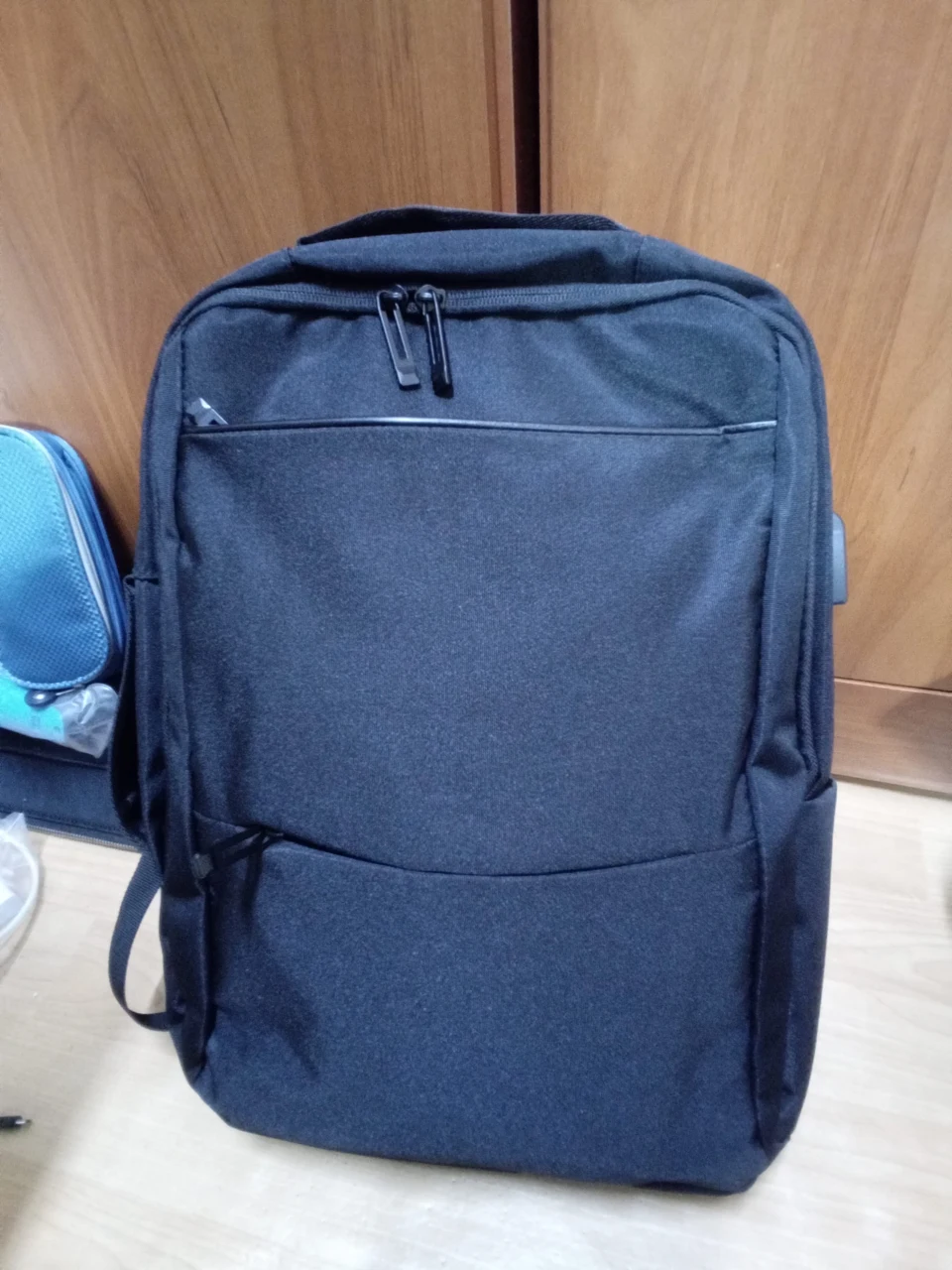
The first ordinary bag is stipulated to measure10×15×6 inches. Compared dimension by dimension with the published12×17×8-inch gallery threshold, each figure is smaller. The size result for this record is therefore “below the gallery checking threshold,” rather than “approved by security.” No staff member has examined this fictional bag or its contents.
The completed packing decision is: choose this bag for the ordinary gallery visit, carry it at the side or front of the body, and keep the contents consistent with the museum’s other rules. The carry instruction matters independently of size; a smaller backpack is not a reason to disregard the published direction against carrying ordinary bags on the back. This record does not cover baby bags or medical supplies.
Record two: plan to check the intermediate bag
The second bag measures14×20×7 inches. Its first two dimensions exceed12 and17, so it does not fit the gallery threshold even though its third dimension is below8. The Gallery says larger items must be checked free of charge. The practical record should say “use the checkroom before entering galleries,” not “carry it in because one dimension is small.”
The same bag’s14×20 dimensions are below the published17×26 larger-item restriction. That distinction prevents a different mistake: treating every bag that must be checked as an item the museum forbids entirely. The planned result is free checking under the stated size policy, subject to the institution’s discretion. It is not a claim that a particular item has been accepted, stored or insured.
For this fictional traveler, the choice is between bringing the intermediate bag with a checking plan and repacking into the smaller bag before leaving. That is a real planning difference even though the published checking charge is zero. A person who wants belongings available while viewing art should notice that the intermediate bag and its gallery use have been separated.
Record three: leave the oversized bag out of the museum plan
The final bag measures18×28×9 inches. Its18×28 dimensions clearly exceed the published17×26 restriction. Its record reads “do not bring this bag to the museum.” Free checking is not a workaround for that larger-item restriction. The chosen example is deliberately unambiguous; turning it sideways is not presented as a policy exception.
The published outer restriction supplies two dimensions, not a complete three-number size box. Do not invent a maximum depth to fill the gap or use the absent figure to declare an oversized item acceptable. If this is the bag available for a broader travel day, solve where it will remain before making the museum stop part of that day. No nearby storage service or availability is assumed here.
Keep admission and security separate from the size result
The Gallery’s visit page says its galleries, exhibitions and guided tours do not require passes or tickets, while some events require free registration. These three records concern an ordinary gallery visit. There is no fictional paid ticket whose possession overrides the bag rules, and an event’s registration arrangements should be checked separately.
Security screening and possible additional inspection still apply. The museum reserves the right to refuse items and disclaims responsibility for loss or damage to things left in checkrooms. Its detailed baby-bag and medical-device exceptions require their own reading; none of these ordinary-bag examples tries to decide an accommodation. Before departure, revisit the current official guidance and compare the actual item and contents with it. The useful output is a packing decision with its scope visible, rather than a promise about the door.
Sources & further reading
Published sources for the details and examples discussed in this story.